
Nutrition Notes


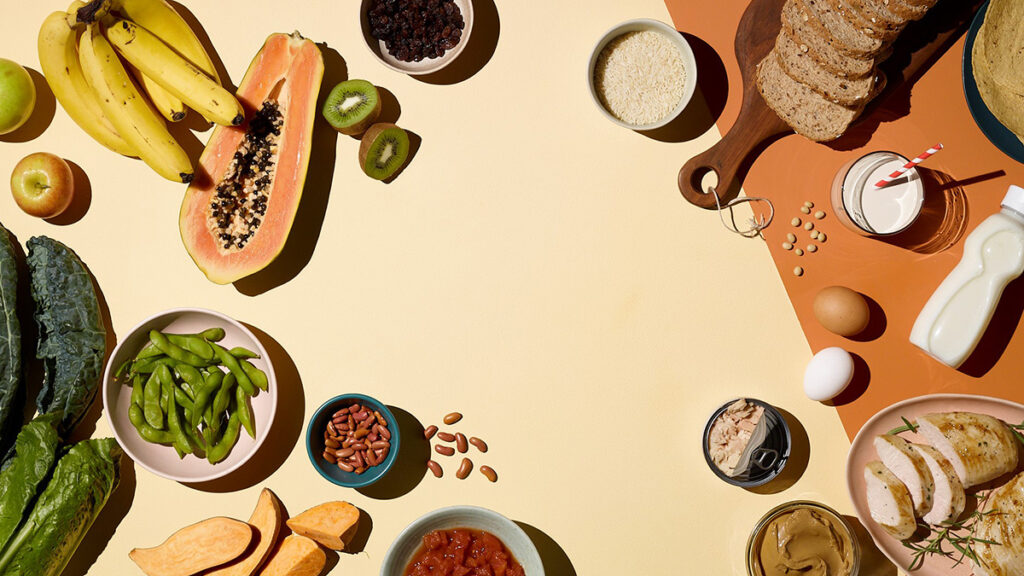
People who eat more fruits and vegetables as part of an overall healthy diet are likely to have a reduced risk of some chronic diseases, such as heart disease, including heart attack and stroke and certain types of cancers. Eating foods such as fruits that are lower in calories instead of higher-calorie food may be useful in helping to lower calorie intake. Fruits provide nutrients vital for health and maintenance of your body, such as fiber, vitamin C, potassium, and folate.
Any fruit or 100% fruit juice counts as part of the Fruit Group. Fruits may be fresh, frozen, canned, or dried/dehydrated, and may be whole, cut-up, pureed, or cooked. At least half of the recommended amount of fruit should come from whole fruit, rather than 100% fruit juice.
https://oneida.extension.wisc.edu/files/2022/02/Feb-2022_Nutrition-Nibbles-Simple-Fruit.jpg

Sometimes a little creativity goes a long way when trying to get our kids to eat more vegetables. Sneak extra vegetables into your child’s day (and yours too!) with this easy one-skillet pasta recipe. Finely chop mushrooms to resemble the texture of ground beef and stir them into a classic meat sauce for an extra-healthy twist on a dinnertime favorite. Check out this easy recipe.
https://www.eatingwell.com/recipe/258448/ground-beef-pasta-skillet/


We’ve all heard that dairy products are important to our overall nutrition, and they’re included in MyPlate, the guide to healthy eating from the US Department of Agriculture. Watch this short video to get an idea of how essential dairy is.

The following is an excerpt from WebMD that caught our eye. A new year and new goals are often put in place. We can all learn from this or let it serve as a reminder.
“We make a lot of New Year’s resolutions around food. We vow to eat less sugar, less fat, and less salt. We promise ourselves we’ll eat more veggies, whole grains, and fish and cut down on burgers and second helpings.
These are good first steps, but you can make other kinds of food resolutions, too, ones that benefit your whole family’s health, not just your own. Try my family food resolutions.
*Schedule family dinners. Studies show that gathering around the table for an evening meal helps kids get better grades, resist peer pressure to drink and smoke, and avoid eating disorders. Families are busy, I know, but aim for four nights a week. It will motivate you to prepare healthier meals and find time to talk to your kids.
*Take charge. Make this the year you’re in control, not your 3-year-old. When trying something new, a little struggle is OK. If your child spits out food, that’s OK. What’s not OK is eating not-so-nutritious food just because your kids say they like it.
*Start experimenting. Try one new fruit or vegetable each week. I like to go for a new color: a lighter shade of green, a deeper shade of yellow, orange, purple, even blue. Let your kids help you find unfamiliar varieties at the grocery, then search WebMD or your favorite cooking site for recipe and preparation ideas.” -WebMD