
Project Lulu
It might sound odd to say, but for some children and their families the biggest challenge of being food insecure isn't the lack of food. For many, the largest hurdles are the social, emotional, and psychological ones, triggered by the stereotypes used to label food insecure children and their families.
Through 'Project Lulu', we hope to work toward the destigmatization of food insecurity as an issue here in the Northwoods by fostering a common understanding of food insecurity as a societal issue, and as a challenge faced by so many members of our community.
We think knowledge and information are the keys to fostering a common understanding of any issue, especially one as misunderstood as food insecurity.
To achieve this goal, 'Project Lulu' will partner with local libraries by providing them books that fost a greater, more compassionate understanding of the challenges faced by individuals who reside in a household without a reliable source for sufficient, affordable and nutritious food.
Simply being labeled as food insecure in childhood can cause significant, long-lasting, damage, often referred to as "food trauma". These effects can linger long past their developmental years into adulthood.
This stigma, stemming from shame, embarrassment, or fear of being labeled "poor" - often results in children concealing their hunger, experiencing social isolation, and developing a lifelong unhealthy relationship with food.
The result of societal stigma/judgement leaves those in need with unnecessary feelings of shame and guilt, preventing and discouraging them from accepting the transitional food they need.
Food insecurity in our area is primarily driven by systemic economic inequality, including issues like low wages and high living costs. Yet, segments of society stigmatize food insecure individuals through long-held stereotypes that incorrectly assign personal responsibility for circumstances outside an individual's control: citing personal issues like laziness, fraudulent behavior, dishonesty, entitlement, addictive behavior, etc.

A HARSH REALITY
Research by Feeding America shows that over 50% of children will, at some point during their childhood, live in a household receiving Federal SNAP food support benefits.
(This means that their household income is at or below the federal poverty line.)
Additionally 18% of children, between the ages of birth and 18 years of age, will also live in a household whose income is below the federal poverty level, but their families will not apply for those SNAP benefits.
This means that today, in America, more than two out of every three children will at some point experience poverty and be exposed to food insecurity.
As a conclusion, these numbers show that for a child, the experience of having been food insecure is not an outlier, but a shared reality.
Thus, societal judgement is unfounded!
Additional note: These numbers do not include the documented struggle of those children living in households earning from just over 100% to 185% of federal poverty income level. (These children's family economics qualify them for 'reduced price' school meals.)
Introducing Project Lulu
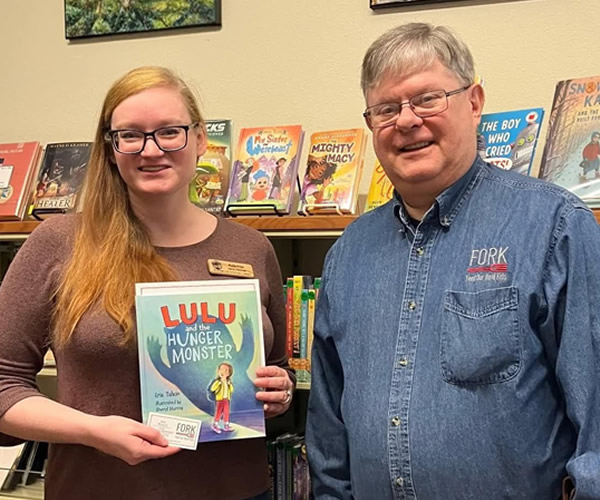
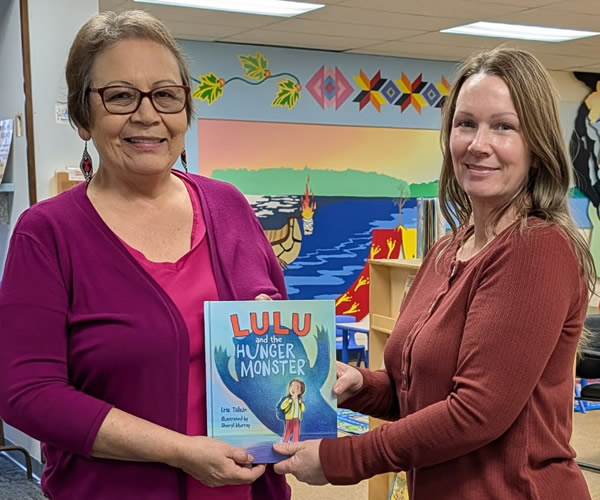
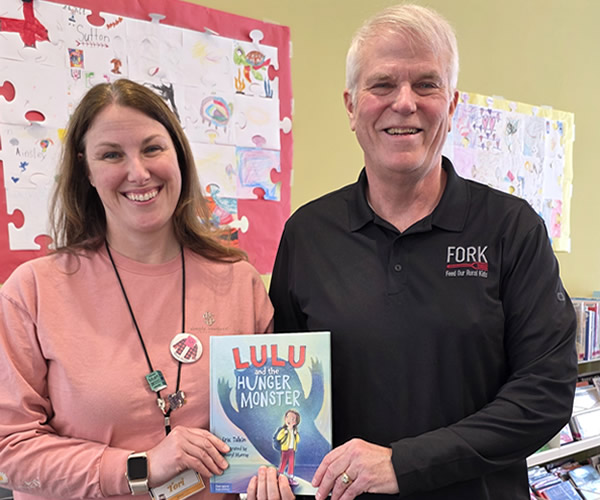
In Phase 1 of Project Lulu, FORK purchased and distributed more than 30 copies of Lulu and the Hunger Monster to Vilas and Oneida County libraries, both at public and elementary school library locations.
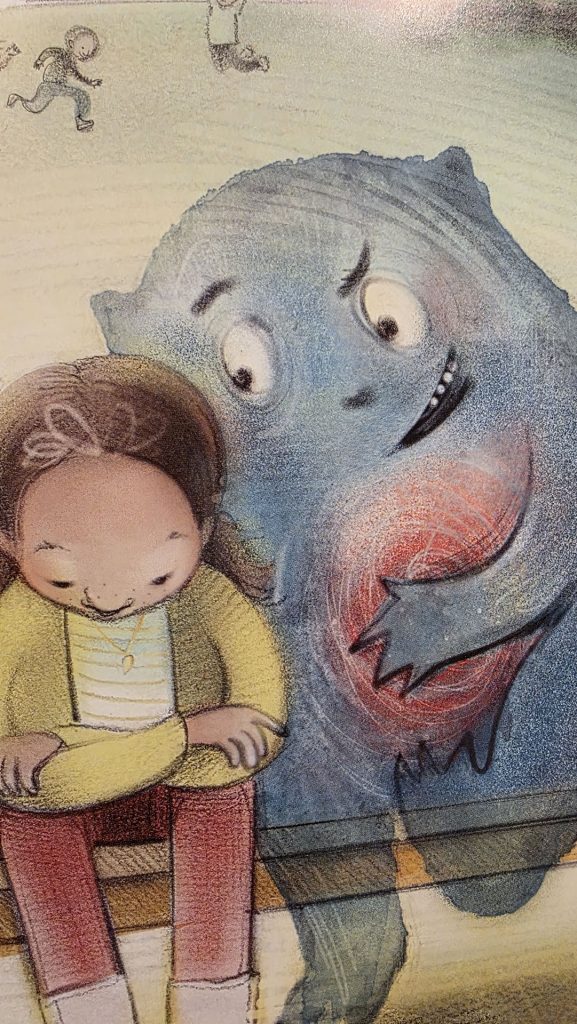
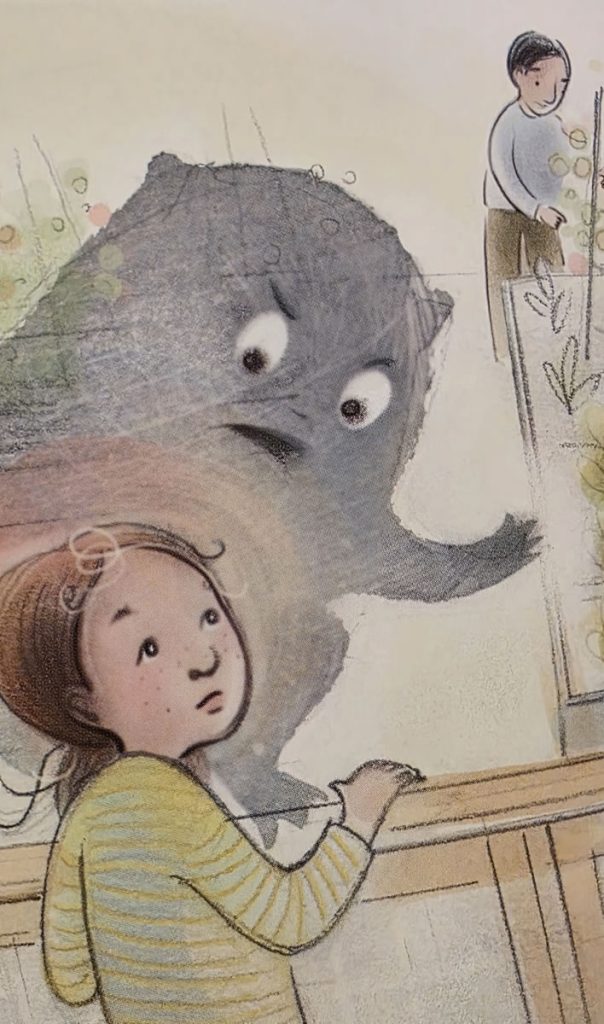
As noted above, the book Lulu and the Hunger Monster offers a storyline familiar to the vast majority of children in our country. That is, food insecurity is a shared experience.
Children and adults experiencing food insecurity can take away the lesson taught in this book so as to better understand the challenge they face.
Those not facing food insecurity can better see how lucky they are.
To FORK, Lulu is more than a character in a children's book. She is representative of our organization's ongoing efforts to free children, and their families, from the weight of societal judgement.
Helping the local community to better understand the issue of and around, food insecurity is one of the five critical success factors upon which FORK judges its progress. By presenting these books to the community, we will help spread awareness and understanding. Hopefully, through the eyes of a child, Lulu, we can all see the world more clearly.
FORK Education Director Rick Miech
FORK delivered 31 books to area elementary schools, public libraries, and resource centers across Vilas and Oneida Counties.
About The Author & Book
Written by author Erik Talkin, Lulu and the Hunger Monster won the 2021 International Literary Association Social Justice Award. The book’s purpose is to raise awareness about childhood food insecurity, build empathy, and destigmatize the experience of hunger for young readers.
Learn more at foodjusticebooksforkids.com.